

A handbag can change the whole look: plain denim feels sharper, a simple black dress feels event-ready, and an airport outfit looks instantly more polished. That is why replica handbags attract attention. They promise recognizable luxury styling without the original retail price. Before making any purchase, though, buyers should understand what the labels mean, what the real trade-offs are, and how to avoid spending money on an item that does not meet expectations.
The smart approach is not about chasing a logo at any cost. It is about choosing a bag that fits your budget, daily routine, personal style, and comfort level with the purchase.
What “Replica Handbags” Usually Means
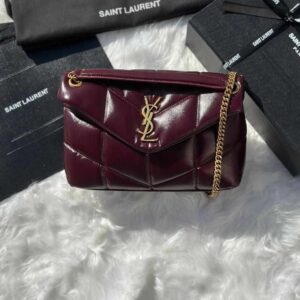
Replica handbags are bags designed to closely imitate the look of a branded luxury item. Sellers may use terms such as “master copy,” “super clone,” “mirror quality,” or “1:1” to describe them. These phrases are common in the marketplace, but they are marketing labels, not universal quality standards or proof that a bag is identical to an authentic product.
One seller’s “master copy” may have sturdy stitching, a lined interior, well-finished hardware, and a structured shape. Another may use the same wording for a bag with thin material, uneven edges, and hardware that loses color quickly. Photos can also be misleading, especially when they show a sample rather than the exact bag being delivered.
For buyers, the practical lesson is simple: focus on the actual product details, not just the tier name. Ask about material, dimensions, interior layout, hardware color, available colors, and what is included with the bag. A clear answer is more useful than a long list of buzzwords.
The Trade-Off Behind the Lower Price
The appeal is obvious. Authentic luxury handbags can cost thousands of dollars, while luxury-inspired or replica-style options are available at a small fraction of that amount. For someone building a fashion-forward wardrobe, buying a statement bag for occasional wear can feel more realistic than putting one large purchase on a credit card.
But lower pricing comes with trade-offs. Quality can vary sharply between sellers and even between batches. Materials may not wear like premium leather. Hardware may scratch, tarnish, or feel lighter than expected. A bag that looks impressive in a close-up photo may arrive smaller, flatter, or less structured than it appeared online.
There are also legal and ethical considerations. Products using another company’s trademarks, logos, or signature design elements can create intellectual-property issues, and rules differ by location. Import restrictions may apply, especially with international orders. A replica-style bag should never be represented as authentic, gifted as authentic, or resold as authentic. That crosses from personal fashion choice into deception.
How to Shop More Carefully
A good bag purchase starts with realistic expectations. If a seller claims a product is “exactly the same” as an original but cannot provide basic information about the item, treat that as a warning sign. No online listing can replace a careful look at materials, construction, and customer support.
Start with the measurements. A handbag may look roomy in a product image but only fit a phone, keys, and cardholder. Check the width, height, and depth, then compare them with a bag you already own. If you need it for work, make sure it fits your tablet, charger, makeup pouch, and other daily essentials. If it is for dinners or events, a smaller shoulder bag or clutch may be the better choice.
Next, pay attention to the construction. Clean stitching, aligned panels, smooth zipper movement, even glazing around the edges, and hardware that sits straight are signs of better finishing. They do not turn a non-authentic item into an authentic one, but they do affect whether the bag feels polished and lasts through regular use.
Material matters just as much. Some buyers prefer leather, while others want vegan leather, coated canvas, nylon, or fabric. Do not assume that “premium” means genuine leather. Ask directly. If the material is synthetic, that is not automatically a problem, but it should be priced and described honestly.
Finally, understand the delivery terms before paying. Confirm the delivery window, payment method, exchange policy, and what happens if the item arrives with a defect. For local shoppers, cash on delivery can offer reassurance, but it does not replace checking the product carefully at the earliest opportunity. For international orders, ask about shipping costs, possible customs delays, and whether duties may be charged on arrival.
Style Matters More Than the Label
The strongest wardrobe choices are not the ones that shout the loudest. They are the ones you reach for repeatedly because they work with what you already wear. A practical everyday tote in black, tan, espresso, or taupe may give you more value than a highly recognizable statement piece you only carry twice a year.
Consider your lifestyle before choosing a shape. A crossbody bag works well for travel, errands, concerts, and hands-free days. A top-handle bag brings a more polished look to office outfits, brunch, and formal events. A roomy tote suits commuters and parents, while a compact shoulder bag is easy for evenings when you want only the essentials.
Color is another decision that changes how often you will use the bag. Neutral tones are versatile, but a bold red, metallic silver, soft pink, or seasonal print can make sense if your wardrobe is otherwise simple. The best choice depends on whether you want one reliable daily bag or a fashion piece that gives an outfit a quick upgrade.
Instead of selecting a bag only because it resembles a trending original, look at proportion. Petite shoppers may prefer smaller shoulder bags or structured mini bags that do not overpower their frame. Taller shoppers may find medium and large silhouettes more balanced. If you carry a lot, forcing everything into a small bag usually leads to stretched seams, damaged zippers, and frustration.
When a Luxury-Inspired Bag Is the Better Option
Some shoppers like the luxury mood but do not want visible logos or trademarked designs. In that case, a luxury-inspired bag without brand marks can be the cleaner, lower-risk choice. You can still get the features people love: quilted textures, chain straps, woven details, structured silhouettes, rich neutral colors, and polished hardware.
This route often gives you more freedom to prioritize function. You can look for a bag with an adjustable strap, protective feet, secure closure, useful interior pockets, or a lightweight construction without paying for a name. It can also feel easier to wear in professional settings where understated accessories make more sense than a logo-heavy piece.
Pre-owned authentic handbags are another alternative for buyers who value verified branding, resale potential, and long-term ownership. They cost more upfront, and condition varies, but a carefully authenticated pre-owned bag may be worth considering if owning the original is your main goal. It depends on your budget, patience, and how much the brand itself matters to you.
Make the Purchase Work for Your Wardrobe
A handbag should support your style, not create pressure to perform a certain image. Whether you choose a replica-style design, a logo-free luxury-inspired piece, or an authenticated pre-owned bag, be honest about what it is and buy from a position of confidence rather than impulse.
Choose the size you will actually carry, the material you can maintain, and a color that earns its place in your rotation. A well-chosen bag does not need to prove anything. It just needs to look good, feel useful, and make getting dressed a little easier.






Add comment