
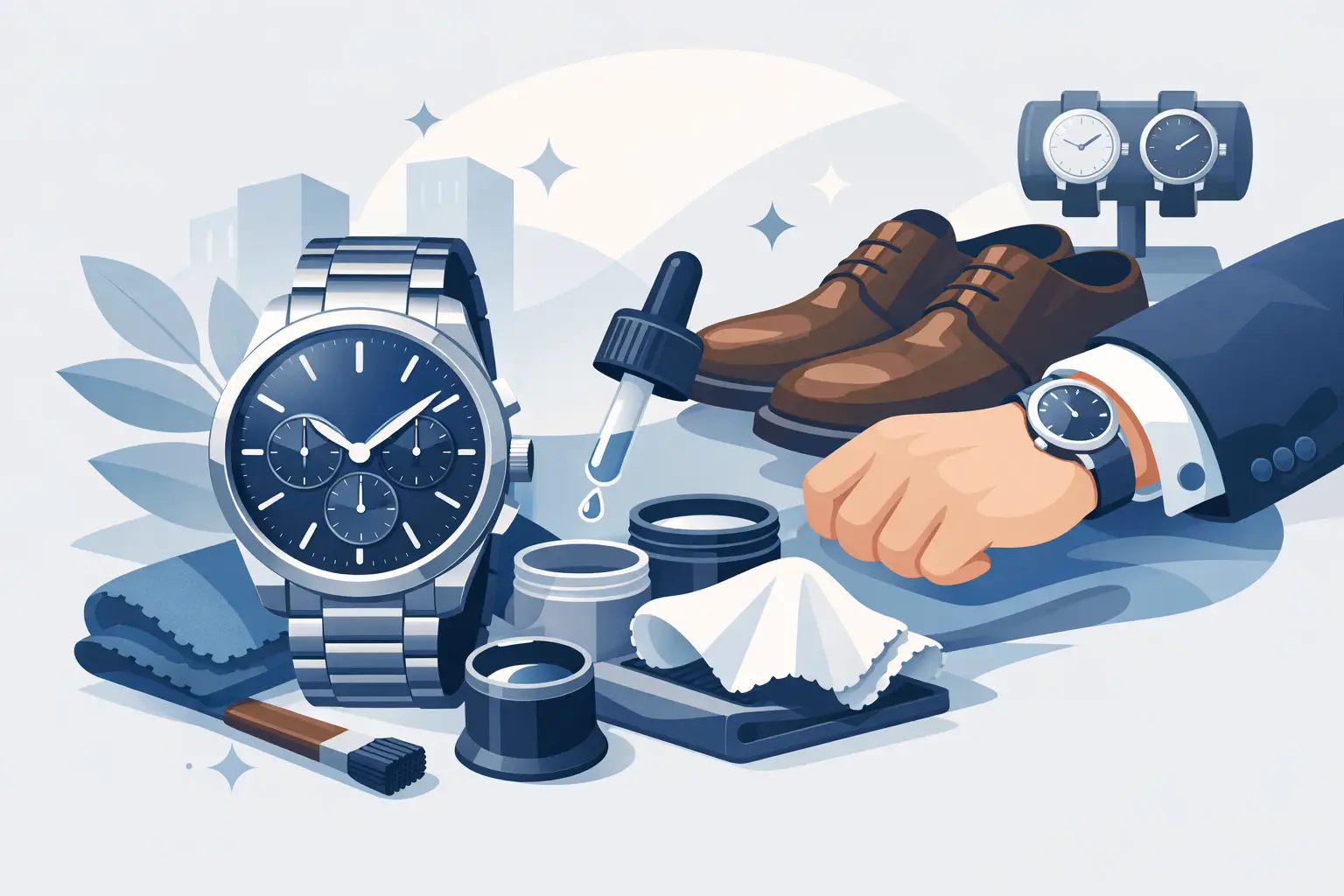
A watch can look VIP on delivery day and tired a few weeks later if it is treated like loose change in a drawer. Fingerprints on the crystal, fragrance on the strap, a scratched clasp, or moisture left after a hot day can quickly take away from the clean, expensive look you bought it for. Good watch care is not complicated, but it does make a visible difference.
Whether you wear one statement piece every day or switch between a sporty chronograph, a dress watch, and a luxury-inspired automatic, the goal is simple: keep the finish fresh, protect the movement, and make every wrist shot look sharp. A few smart habits cost almost nothing and help your watch stay ready for work, dinners, travel, gifting, and everyday style.
Watch Care Starts With Daily Habits
The easiest care happens before damage has a chance to build up. Take your watch off before showering, working out hard, applying cologne, or using cleaning products. Soap residue, sweat, hair spray, sunscreen, and fragrance can leave a dull film on metal and may dry out leather or synthetic straps over time.
At the end of the day, wipe the case, bracelet, buckle, and crystal with a soft, clean microfiber cloth. This removes skin oils and dust before they settle into the links or around the crown. Do not use a shirt sleeve, tissue, or paper towel. Those materials can carry grit and may leave fine marks on polished surfaces.
If your watch has a metal bracelet, spend a few extra seconds around the clasp and between the links. These areas collect the most dirt from daily wear. A clean bracelet catches light better and instantly looks more premium.
It also pays to be realistic about what your watch will face. A bold everyday watch can handle office hours, driving, and social plans easily. Heavy gym sessions, beach days, construction work, and pool time call for a separate sport watch unless the exact water-resistance rating and condition of your piece are known.
Keep Water Away Unless You Know the Rating
A watch that looks sealed is not automatically safe for water. Water resistance depends on the design, gasket condition, crown position, and how the watch has been used. Even a watch marked as water resistant can lose protection if the crown is loose, the crystal has been damaged, or seals have aged.
Treat unknown water resistance as no water resistance. That means no swimming, hot tubs, showers, or washing dishes while wearing it. Steam is especially risky because hot moisture can enter places cold water may not. If fog appears under the crystal, stop wearing the watch and have it checked as soon as possible.
Before any contact with water, make sure the crown is fully pushed in. On a screw-down crown, it must be properly screwed down, not just pressed against the case. Never adjust the crown or pushers when the watch is wet. This is a small mistake that can create a path for moisture to enter.
For basic surface cleaning, use a slightly damp microfiber cloth only when you are confident the watch is suitable for it. Keep water away from a leather strap, open crown, and exposed charging contacts on smart-style models. Dry the watch immediately with a separate soft cloth.
Clean the Case, Crystal, and Strap the Right Way
Different materials need different treatment. The wrong cleaner can cause more damage than everyday wear.
For stainless steel cases and bracelets, start with a dry microfiber cloth. If there is stubborn grime, use a soft brush with very light pressure and a barely damp cloth afterward. A soft baby toothbrush can work around bracelet links, but do not scrub aggressively and do not soak the watch.
For the crystal, use only a clean microfiber cloth. Avoid household glass cleaners, alcohol-heavy sprays, toothpaste, and abrasive polishing products. They can affect coatings, seep around the crystal edge, or leave residue. If you notice a deeper scratch, do not try DIY repair methods. A professional assessment is the safer move.
Leather straps need the most restraint. Wipe them with a dry cloth, let them air out after wear, and keep them away from moisture. Do not spray fragrance directly on or near the strap. Leather can absorb oils and scents, causing stains, stiffness, or fading. If the strap starts to show serious wear, replacing it can refresh the whole watch for far less than replacing the timepiece.
Rubber and silicone straps are easier to maintain but still need rinsing only when the watch is confirmed safe for water exposure. Wipe them dry after a hot day, especially if sunscreen or sweat has built up near the lugs and buckle.
Protect the Finish From Scratches and Heat
Scratches happen, especially on high-polish cases and bracelets. The key is reducing the unnecessary ones. Do not wear your watch loose beside metal bracelets, stack it with hard bangles, or drop it into a pocket with keys. When traveling, a small watch pouch or roll is a better choice than wrapping it in clothing.
Take it off before lifting weights, moving furniture, working on a car, or playing contact sports. This is not about being overly careful. It is about choosing the right piece for the job. Your favorite luxury-inspired watch should be part of the look, not the tool kit.
Heat matters too. Do not leave a watch on a car dashboard, near a radiator, or in direct sun for long periods. Extreme heat can affect battery performance, lubricants, adhesives, seals, and strap materials. Sudden temperature changes are also rough on a watch, so avoid taking it from an air-conditioned room straight into hot water or steam.
Magnetic fields can affect some mechanical watches. Everyday exposure from phones and laptops is usually brief, but do not store a watch directly on speakers, magnetic clasps, powerful chargers, or electronic equipment. If an automatic watch starts gaining or losing time dramatically, magnetism may be part of the problem.
Care for Quartz and Automatic Watches Differently
Quartz watches are low-maintenance, but they still need attention. If the watch stops, replace the battery promptly rather than leaving an old battery inside for months. A depleted battery can leak and damage the movement. If you do not plan to wear a quartz piece for a long time, store it clean and dry, then check it occasionally.
Automatic watches are powered by movement, so they may stop after a day or two off the wrist. That is normal. Wind the crown gently if the model allows it, then set the time and date according to its instructions. Do not force the crown, and avoid changing the date during the late-evening to early-morning period, often around 9 p.m. to 3 a.m., when many calendar mechanisms are engaged.
A watch winder can be convenient for a regularly worn automatic, but it is not essential for everyone. If you rotate several watches, simply resetting the one you choose can be the better option. Overusing a winder for a watch that rarely gets worn adds motion without much practical benefit.
If your automatic starts making unusual noises, loses a large amount of time, or feels rough when winding, do not keep forcing it. A qualified watch technician can identify whether the issue is minor or needs service.
Store Your Watch Like It Is Part of the Outfit
Storage affects appearance more than most people expect. Keep watches in a dry, cool place away from direct sunlight. A watch box, soft pouch, or lined drawer organizer protects the crystal and bracelet from rubbing against other accessories.
Before storing a watch, wipe it down first. Dirt, moisture, and skin oils can sit unnoticed for weeks and become harder to remove later. Leave enough space between pieces so clasps and bracelets do not scratch neighboring watches.
For occasional wear, store straps flat or gently curved. Do not bend leather straps tightly around a pillow for months, especially in heat. If you have a statement watch reserved for events, take it out every few weeks for a quick check. You will spot a fading battery, loose crown, or strap issue before the night you actually want to wear it.
When Professional Help Is Worth It
Some problems should not be handled at home. Get a watch checked if there is condensation under the crystal, a crown that will not close, a bracelet pin coming loose, a cracked crystal, or sudden changes in timekeeping. These issues can get more expensive when ignored.
Polishing is another case where less is more. Light marks are part of wearing a watch, and aggressive polishing can soften sharp edges or change the original finish. If you want a refresh, ask for a light, appropriate service rather than trying to erase every sign of use.
Great watch care is really about protecting the confidence that comes with a strong accessory. Wipe it down, keep it dry when the rating is uncertain, store it with care, and let each watch earn its place in your rotation. The result is simple: when it is time to step out, your wrist looks as polished as the rest of your fit.





Add comment